
Run your business from one place.
Your brand, website, adverts, social media, customers and paperwork, made to match and kept in one HQ. With a person behind it.
Teknetik HQ · Scunthorpe · UK-wide
Or ring our phone assistant and hear it for yourself: 0131 367 0733
BrandLogo and business cardApproved

SocialA post
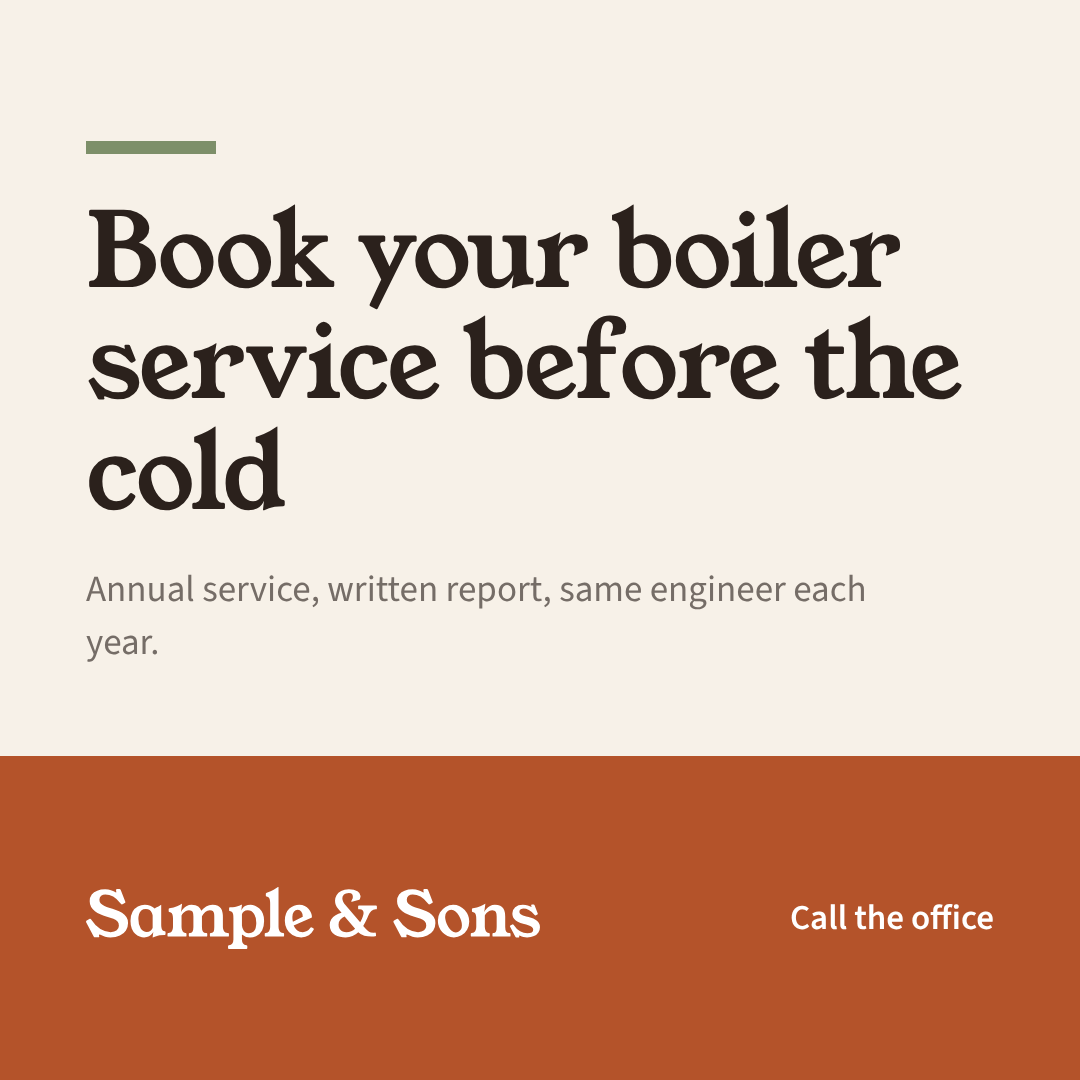
AdvertsAn advert
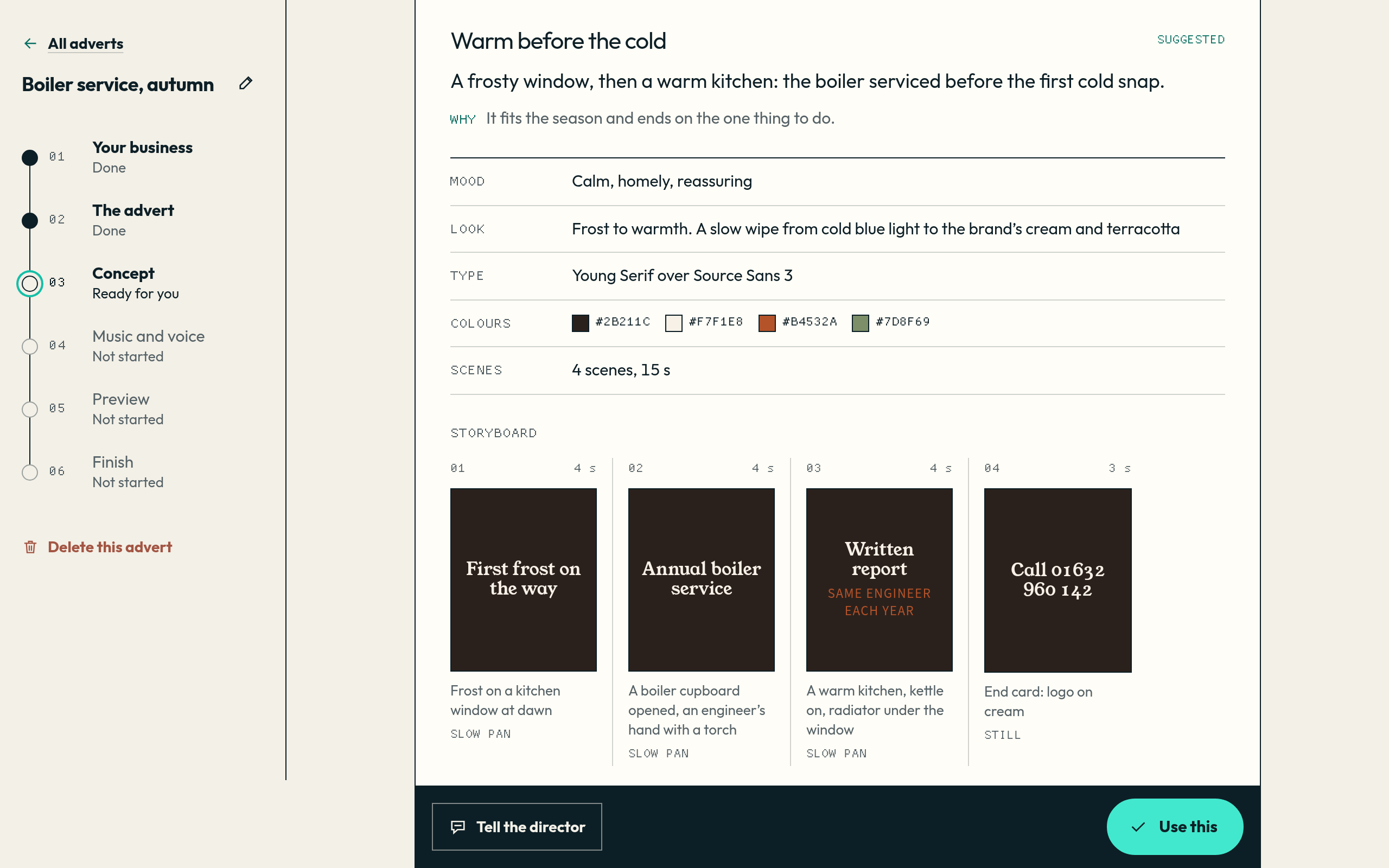
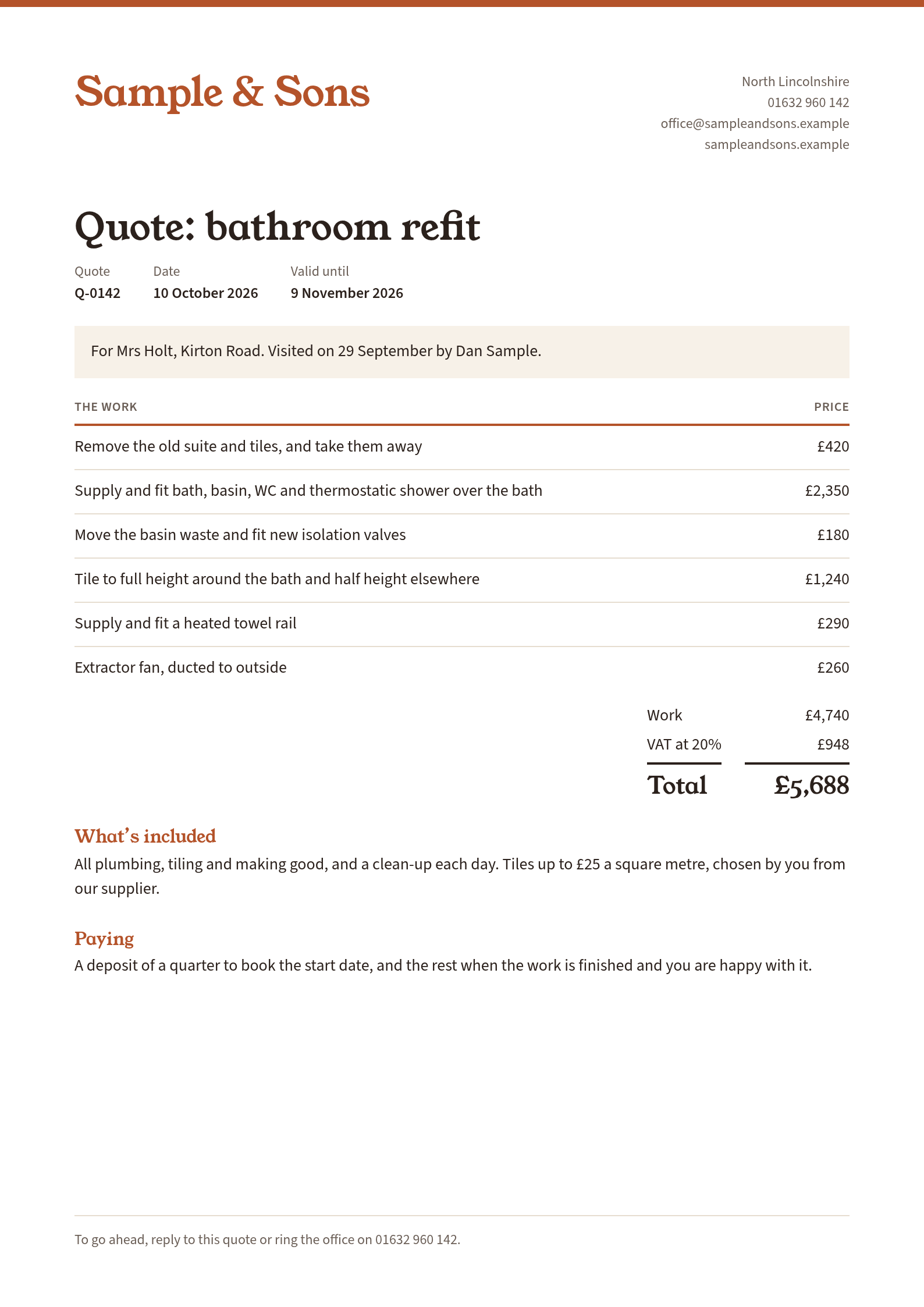
CustomersA quote
WebsiteThe website
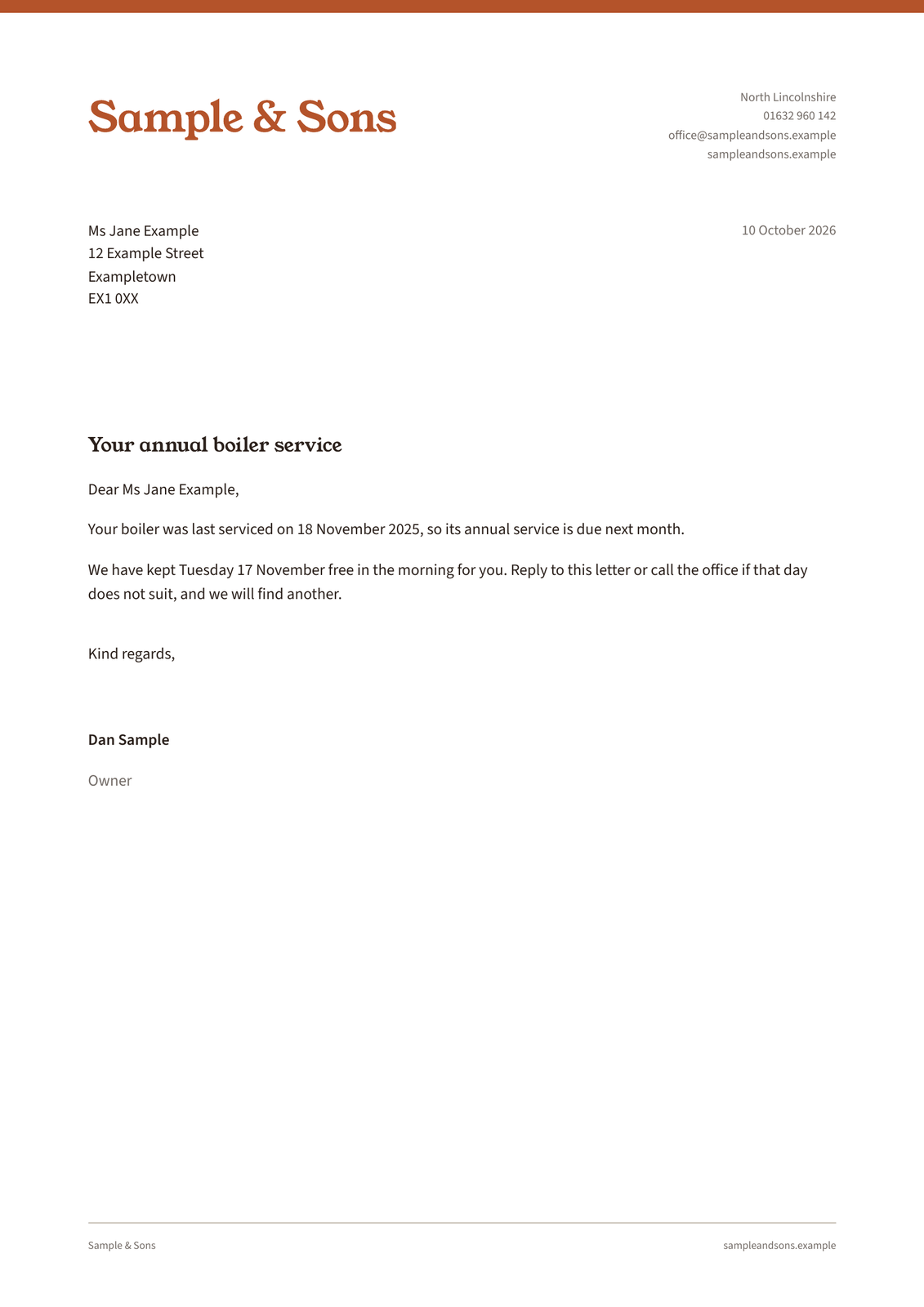
DocumentsA letter


- Business
- Sample & Sons
- Trade
- Heating, plumbing
- Made in
- Teknetik HQ
- Approved by
- The owner
What eats your evenings?
You didn’t start a business to spend your evenings on this. Most of it is computer work that HQ can prepare from your brand. The decisions stay with you.
The logo that only exists as a JPEG
HQ part: BrandWhat HQ does: Your logo is rebuilt as proper files for the website, the printer and the signwriter, with colours and type to match.
Stays with you: You approve the brand before anything is made from it.
The Facebook page nobody has posted on since March
HQ part: SocialWhat HQ does: A month of posts is planned, written and pictured from your brand, then posted on schedule.
Stays with you: You approve the month in one sitting and change any post first.
The quote typed from scratch at the kitchen table
HQ part: CustomersWhat HQ does: The assistant drafts the quote on your letterhead from your prices and the job notes.
Stays with you: You set the price and press send.
The website you can’t change
HQ part: WebsiteWhat HQ does: Click the part you want different and say what you want. The change is made on a draft.
Stays with you: Nothing is published until you say so.
The enquiry that never got a reply
HQ part: CustomersWhat HQ does: Enquiries from the website, the phone and your email land in one list, each with a reply drafted.
Stays with you: You check the reply and send it.
The letter in three different fonts
HQ part: DocumentsWhat HQ does: Letters, quotes and documents come out on your letterhead, in your type and colours.
Stays with you: You read it and sign it.
Not every job needs AI. Sometimes a better form or a template is the fix, and we’ll say so.
What’s in HQ.
Nine parts in one place, with an assistant that knows your business. Every part starts from your brand, so everything you send out matches.
Look the part
Brand
A proper logo, colours and type that everything else is made from, so everything you send out looks like it comes from the same business.
Website
A website made from your brand that you change yourself, by pointing at the part you want different and saying what you want.
Adverts
Short video adverts for social media, made from your brand and your photos, without hiring anyone.
Social
A month of posts planned, written and pictured, approved by you in one sitting, then posted on schedule.
Run the day
Customers
Every enquiry, quote and job in one list, whichever way it came in, with the replies drafted for you.
Phone
An assistant that answers the calls you cannot take, writes down the job and holds a booking for you to confirm.
Documents
Word and Excel in your browser, plus letters, quotes and presentations, all on your brand.
Shop
Sell your products from your own website, with prices, stock, checkout and payments in the same place as everything else.
Know your business
The assistant
An assistant that knows your business, drafts things the way you would and reminds you what is due.
How it starts.
With a conversation and your brand. Nothing is used, sent or published until you have seen it.
A call
Free, 30 minutes, by phone or video. Tell us what the business does and what eats your evenings. We say honestly which parts of HQ would help, and which wouldn’t.
We read your website and draft your brand
We start from what you already have: your website, your sign, your old logo and a short questionnaire. From those we draft your logo, colours, type and the way you write.
You approve it on your phone
Look through the draft, change anything that isn’t right and ask us about anything you’re unsure of. Nothing is used until you approve it.
Everything else is made from it
Your website, adverts, posts, letters and quotes start from the approved brand, so they match, and the assistant writes in the voice you approved.

Want a closer look at one process before anything else? The one-process review takes five working days. About the review
The assistant.
An assistant that knows your business, drafts things the way you would and reminds you what is due.
What it knows
Your business profile, your approved brand, the prices and terms you have given it, and the history of your customers and jobs. Only facts you have confirmed; when it doesn’t know, it asks.
What it reminds you of
The quote not followed up, the post not made this week, the certificate that expires next month, the booking waiting for you to confirm. Each one arrives with the draft ready.
What it never does without you
Send, post, publish or spend. It drafts and a person says yes. Where a template or a simple rule does the job better than AI, we use that instead.

Done with you.
HQ comes with a person. We set it up with you, train your team on your own tasks and build the workflows that are particular to your business.
One-process review
One process, one team, five working days
Which parts of HQ and which workflows are worth your time first, with a one-page map and three ranked options.
One-process review: What’s includedTeam workshop
Three hours, up to eight people
Your team learns HQ and the assistant on its own tasks, and leaves with a prompt sheet and usage rules.
Team workshop: What’s includedWorkflow pilot
Two to three weeks
One workflow particular to your business, built around the systems you already use, with an approval step.
Workflow pilot: What’s includedWorkflow care
For each live workflow
A monthly check of each live workflow, a look at anything that went wrong and time for changes.
Workflow care: What’s included
What it costs.
The call is free. We confirm the scope and the price in writing before you commit to anything.
Teknetik HQ
Ask for the price on the call; we confirm it in writing.
Included
- Your brand kit, built with you and approved by you
- Every part of HQ, made from your brand
- The assistant, with an allowance for the AI work it does
- A person to ask when you need one
Working with us
- One-process reviewCredited in full against a pilot booked within 60 days.
- £395
- Team workshop
- £650
- Workflow pilot
- From £1,950
- Workflow care
- £150 a month
Prices exclude VAT where it applies. Visits outside North Lincolnshire are agreed before booking.
Four rules we don’t bend.
Useful doesn’t mean uncontrolled. These hold for every part of HQ and every workflow we build.
A person approves what matters
Anything sent to a customer, posted, published or priced, and any money spent, waits for someone accountable to say yes.
Clear data boundaries
We agree what information can be used and where it goes before anything is connected. Our privacy page names the outside services our tools use today and what each one sees.
Measured against today
Before a workflow is built we record how long the task takes now, so afterwards you can see honestly whether it helped.
Limits said out loud
AI gets things wrong. Every workflow has a review step and a way back to the manual way, and when AI is the wrong tool, we say so.
You’ll deal with one accountable person.
Teknetik is founder-led. The person who sets up your HQ is the person who builds it, trains your team and picks it up if something needs fixing.
Carl combines hands-on AI implementation with experience supporting complex production API platforms and building automation for real business operations. The work stays grounded in what your team can use, maintain and take responsibility for.
Email Carl directlyCarl Draper
Founder · Teknetik
- [email protected]
- Based
- Scunthorpe, North Lincolnshire
- Visits
- On site across North Lincolnshire
- Remote
- Anywhere in the UK
Questions owners ask first.
A useful conversation can start before you know the right words or have a plan.
What is HQ?
One place to run the computer side of your business: your brand, website, adverts, social media, customers, phone, documents and shop, all made from your brand, with an assistant that knows your business. You open it in the browser on your phone or computer. Nothing is sent, posted or published until you say yes.
Do I need my own logo first?
No. If you have one, even as a JPEG or a photo of the van, we start from it and make proper files. If you don’t, we draft one with you from a short questionnaire and your website, and you approve it.
Can my staff use it?
Yes. Each person signs in with their own login. If you want your team trained on their own tasks, that is the workshop, and we run it with you.
What does the assistant know about us?
What you have confirmed: your business profile, your approved brand, your prices and terms, and the customers and jobs you keep in HQ. It doesn’t make up facts about you; if something is missing, it asks.
Where is our data kept?
HQ runs on our own server, and your files and the work HQ makes are kept there. The AI part of the work is done by outside services, which receive what each task needs. Our privacy page names the outside services our tools use today and what each one sees. Read the privacy page
What if I only want the website?
That’s fine. The website is made from your brand, so we build the brand with you first, then the website from it. You add other parts only if and when you want them.
Is this replacing people?
No. HQ takes on the computer work: drafting, formatting, chasing and filing. The decisions, the prices and the customer relationships stay with people. If someone’s role changes, we involve your team early.
Do you only work near Scunthorpe?
We’re based in Scunthorpe and visit businesses across North Lincolnshire. HQ works anywhere in the UK; elsewhere we set it up with you by video, and if a visit makes sense we agree travel before booking.
Tell us what eats your evenings.
Book the free 30-minute call. Tell us about the business in your own words; you don’t need the right terms. We’ll say honestly which parts of HQ would help, and which wouldn’t.
Of course we have an AI assistant. Try it out.
Ring our AI assistant on 0131 367 0733Tell it what you need and it will arrange your free 30-minute call; Carl confirms the time by email. The call itself is the demo.
Calls aren’t recorded as audio. We keep a written transcript for up to 90 days. How we handle it
- What the business does, and who for
- Your website address, if you have one
- The job you would hand over first